

Sometimes the moment you realize you need help isn’t dramatic.
It’s quieter than that.
It might be the third morning in a row where getting out of bed feels impossible. Or the moment you catch yourself thinking, I can’t keep living like this.
If you’ve started wondering whether more structured help might make a difference, you’re not alone. Many people begin exploring options like a depression treatment program after noticing patterns that don’t seem to improve with willpower alone.
Below are some of the quiet signs people often notice before reaching out.
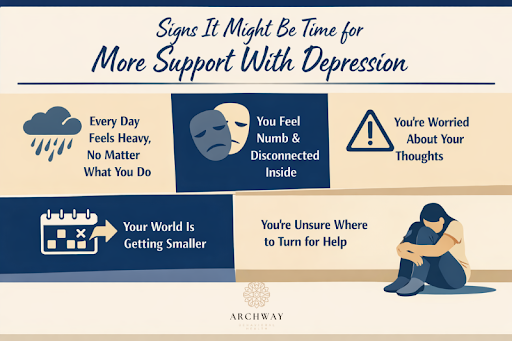
The Days Feel Heavy No Matter What You Try
Everyone has bad days. Depression is different.
You might exercise, talk to friends, try to “push through,” and still feel like you’re walking through wet cement. The heaviness doesn’t lift.
Over time, this can create a painful cycle: the more you try to function normally, the more discouraged you feel when nothing changes.
That’s often when people begin wondering whether structured daytime care could provide the kind of support they haven’t been able to create on their own.
You’re Functioning — But Everything Feels Numb
Many people assume severe depression always looks obvious. Often, it doesn’t.
You may still be going to work, answering messages, or caring for family. From the outside, life looks normal.
Inside, though, things feel flat. Joy is gone. Motivation is gone. Even the things that once mattered feel distant.
One client once described it this way:
“It wasn’t sadness anymore. It was like the color drained out of everything.”
When emotional numbness lingers for weeks or months, deeper support can help reconnect those parts of yourself that feel shut down.
You’re Starting to Worry About Yourself
One of the most important signals is simple awareness.
You might notice thoughts like:
🚩 Signs People Often Recognize
- “I’m not bouncing back like I usually do.”
- “This is lasting longer than normal.”
- “I’m withdrawing from people who care about me.”
- “I’m scared this might get worse.”
That quiet self-awareness matters. It’s often the mind’s way of saying: something needs attention.
And listening to that voice early can make a huge difference.
Daily Life Is Starting to Shrink
Depression rarely stays in one place. Over time, it can slowly reduce the size of your life.
You might notice:
- Skipping events you used to enjoy
- Avoiding calls or texts
- Falling behind at work or school
- Sleeping far more—or far less—than usual
What used to feel manageable starts to feel overwhelming.
Support that happens multiple days a week can help rebuild stability before life becomes even more restricted.
You Want Help — But Don’t Know Where to Start
For many people, the hardest step isn’t admitting something is wrong.
It’s figuring out what kind of help actually fits.
Some people benefit from weekly therapy. Others discover they need more consistent care for a period of time—something that provides structure, clinical guidance, and daily support without requiring overnight stays.
If other mental health conditions are also present, people sometimes explore additional support options like treatment options in Dual Diagnosis, where overlapping challenges can be addressed together.
The important thing to know is this: needing more support isn’t failure.
It’s often the turning point.
A Small Part of You Hopes Things Could Change
This might be the most important sign of all.
Somewhere underneath the exhaustion, a small voice still says:
Maybe I don’t have to live like this forever.
That voice matters.
It’s the same quiet instinct that leads many people to explore a depression treatment program after months—or years—of trying to handle everything alone.
And often, once real support begins, people discover something surprising:
Relief doesn’t arrive all at once.
But it does start to return.
You Don’t Have to Carry This Alone
If you’re starting to recognize yourself in these signs, support is available. You deserve care that meets you where you are and helps you move forward at a pace that feels safe.
Call (888) 488-4103 or visit our depression treatment program services to learn more about our depression treatment program services.
Sometimes the moment you realize you need help isn’t dramatic.
It’s quieter than that.
It might be the third morning in a row where getting out of bed feels impossible. Or the moment you catch yourself thinking, I can’t keep living like this.
If you’ve started wondering whether more structured help might make a difference, you’re not alone. Many people begin exploring options like a depression treatment program after noticing patterns that don’t seem to improve with willpower alone.
Below are some of the quiet signs people often notice before reaching out.
The Days Feel Heavy No Matter What You Try
Everyone has bad days. Depression is different.
You might exercise, talk to friends, try to “push through,” and still feel like you’re walking through wet cement. The heaviness doesn’t lift.
Over time, this can create a painful cycle: the more you try to function normally, the more discouraged you feel when nothing changes.
That’s often when people begin wondering whether structured daytime care could provide the kind of support they haven’t been able to create on their own.
You’re Functioning — But Everything Feels Numb
Many people assume severe depression always looks obvious. Often, it doesn’t.
You may still be going to work, answering messages, or caring for family. From the outside, life looks normal.
Inside, though, things feel flat. Joy is gone. Motivation is gone. Even the things that once mattered feel distant.
One client once described it this way:
“It wasn’t sadness anymore. It was like the color drained out of everything.”
When emotional numbness lingers for weeks or months, deeper support can help reconnect those parts of yourself that feel shut down.
You’re Starting to Worry About Yourself
One of the most important signals is simple awareness.
You might notice thoughts like:
🚩 Signs People Often Recognize
- “I’m not bouncing back like I usually do.”
- “This is lasting longer than normal.”
- “I’m withdrawing from people who care about me.”
- “I’m scared this might get worse.”
That quiet self-awareness matters. It’s often the mind’s way of saying: something needs attention.
And listening to that voice early can make a huge difference.
Daily Life Is Starting to Shrink
Depression rarely stays in one place. Over time, it can slowly reduce the size of your life.
You might notice:
- Skipping events you used to enjoy
- Avoiding calls or texts
- Falling behind at work or school
- Sleeping far more—or far less—than usual
What used to feel manageable starts to feel overwhelming.
Support that happens multiple days a week can help rebuild stability before life becomes even more restricted.
You Want Help — But Don’t Know Where to Start
For many people, the hardest step isn’t admitting something is wrong.
It’s figuring out what kind of help actually fits.
Some people benefit from weekly therapy. Others discover they need more consistent care for a period of time—something that provides structure, clinical guidance, and daily support without requiring overnight stays.
If other mental health conditions are also present, people sometimes explore additional support options like treatment options in Dual Diagnosis, where overlapping challenges can be addressed together.
The important thing to know is this: needing more support isn’t failure.
It’s often the turning point.
A Small Part of You Hopes Things Could Change
This might be the most important sign of all.
Somewhere underneath the exhaustion, a small voice still says:
Maybe I don’t have to live like this forever.
That voice matters.
It’s the same quiet instinct that leads many people to explore a depression treatment program after months—or years—of trying to handle everything alone.
And often, once real support begins, people discover something surprising:
Relief doesn’t arrive all at once.
But it does start to return.
You Don’t Have to Carry This Alone
If you’re starting to recognize yourself in these signs, support is available. You deserve care that meets you where you are and helps you move forward at a pace that feels safe.
Call (888) 488-4103 or visit our depression treatment program services to learn more about our depression treatment program services.
